CSP and browser security blog
Practical guides to Content Security Policy, the browser Reporting API and the HTTP security headers around them: how each one behaves, what its reports actually contain, and how to roll it out on a live site without breaking it.
NIS2, DORA and third-party scripts on customer-facing web apps
How third-party scripts on customer-facing sites fit NIS2 Article 21 and DORA third-party risk, what the texts say, and the evidence that helps.
CentralCSP Team ·
CSP reporting and EU data residency: where each service keeps your reports
Where CSP and browser reporting services process and store reports, which sub-processors they name, why it matters under GDPR, DORA and NIS2, and what to ask.
CentralCSP Team ·
Personal data in CSP reports: what GDPR means for browser reporting
Which CSP and browser report fields are personal data, controller and processor roles, legal basis, retention, transfers, and how to store less.
CentralCSP Team ·
Payment page scripts and PCI DSS: FAQ
Short, sourced answers on PCI DSS 6.4.3 and 11.6.1: fourth-party scripts, browser extensions, iframes, tag managers, SAQ A, justification and QSA reports.
CentralCSP Team ·
PCI DSS 11.6.1: detecting payment page changes
What PCI DSS 11.6.1 requires: detect and alert on unauthorized changes to payment page scripts and HTTP headers, weekly or per risk analysis, and the evidence.
CentralCSP Team ·
Brotli2Shell, CVE-2026-111497 Brotli decoder RCE
Brotli2Shell (CVE-2026-111497) is a Brotli decoder flaw in Node.js, Python, Bun, .NET and Envoy. Fixed versions, who is exposed, and how to check your stack.
CentralCSP Team ·
PCI DSS 6.4.3: managing payment page scripts
What PCI DSS 6.4.3 requires for payment page scripts, who it applies to after the SAQ A change, the evidence a QSA expects, and a justification template.
CentralCSP Team ·
PHP2Shell, CVE-2026-109618 and CVE-2026-109619 PHP RCE
PHP2Shell (CVE-2026-109618, CVE-2026-109619) lets attackers run code on PHP servers. Fixed versions, PHP 8.1 and older, and how to check if a site uses PHP.
Théotime Quéré ·
WordPress vulnerabilities in 2026, CVE-2026-87902, wp2shell and the safe version per branch
CVE-2026-87902 lets an unauthenticated attacker run code on WordPress 4.7 to 7.1.1. The fixed version per branch and how to check any site free.
Théotime Quéré ·
Next.js vulnerabilities in 2026, up to the November release
Every Next.js security advisory of 2026, including the November 3 release: affected versions, the image optimizer RCE, and the version to upgrade to.
Théotime Quéré ·
Fix an outdated jQuery that fails a PCI ASV scan
Why an outdated jQuery fails a PCI ASV scan, how to find the copy the page loads, what to upgrade to, and when a dispute is legitimate.
CentralCSP Team ·
What a technology checker is for, from security ratings to PCI scans
Use a website technology checker to clear outdated library findings in security ratings, pre-check a PCI ASV scan, and answer vendor questionnaires.
CentralCSP Team ·
What technology is this website using, and is any of it outdated
Find the CMS, framework, libraries and versions any website runs, free. Spot end-of-life versions and known CVEs with the Technology Checker.
Théotime Quéré ·

Changelog
CentralCSP released a new site, dashboard, docs, and pricing on 13 September 2026. Everything that changed and what it means for your account.
CentralCSP Team ·

How to detect vulnerable JavaScript libraries on a live website
Source scanners miss the CDN and tag manager scripts browsers load. How to find every vulnerable JavaScript library on a live site and catch the next CVE.
CentralCSP Team ·
Which jQuery versions are vulnerable, and how to find the copy your site loads
jQuery before 3.5.0 carries known XSS CVEs. How to find every copy a page really loads, plugin and CDN copies included, and what to upgrade to.
CentralCSP Team ·
PCI DSS 6.4.3 and 11.6.1 tools compared
How PCI DSS 6.4.3 and 11.6.1 script tools work (agent, edge, scanner, CSP reports or manual), what to ask a vendor, and where CentralCSP fits.
CentralCSP Team ·
CSP reporting services compared: Report URI and alternatives in 2026
What separates CSP reporting services in 2026: report types, data location, privacy filters, alerting, retention and pricing, and how CentralCSP meets each.
CentralCSP Team ·
X-Frame-Options vs frame-ancestors, which clickjacking control to use
X-Frame-Options DENY or SAMEORIGIN, or CSP frame-ancestors 'self'? Which one the browser obeys when both are set, and the exact headers to copy.
Théotime Quéré ·
How to add a fresh CSP nonce to a static site with nginx
A static site has no backend to mint a CSP nonce. Put an unguessable placeholder in your HTML and let nginx generate and inject a fresh nonce on every request.
CentralCSP Team ·
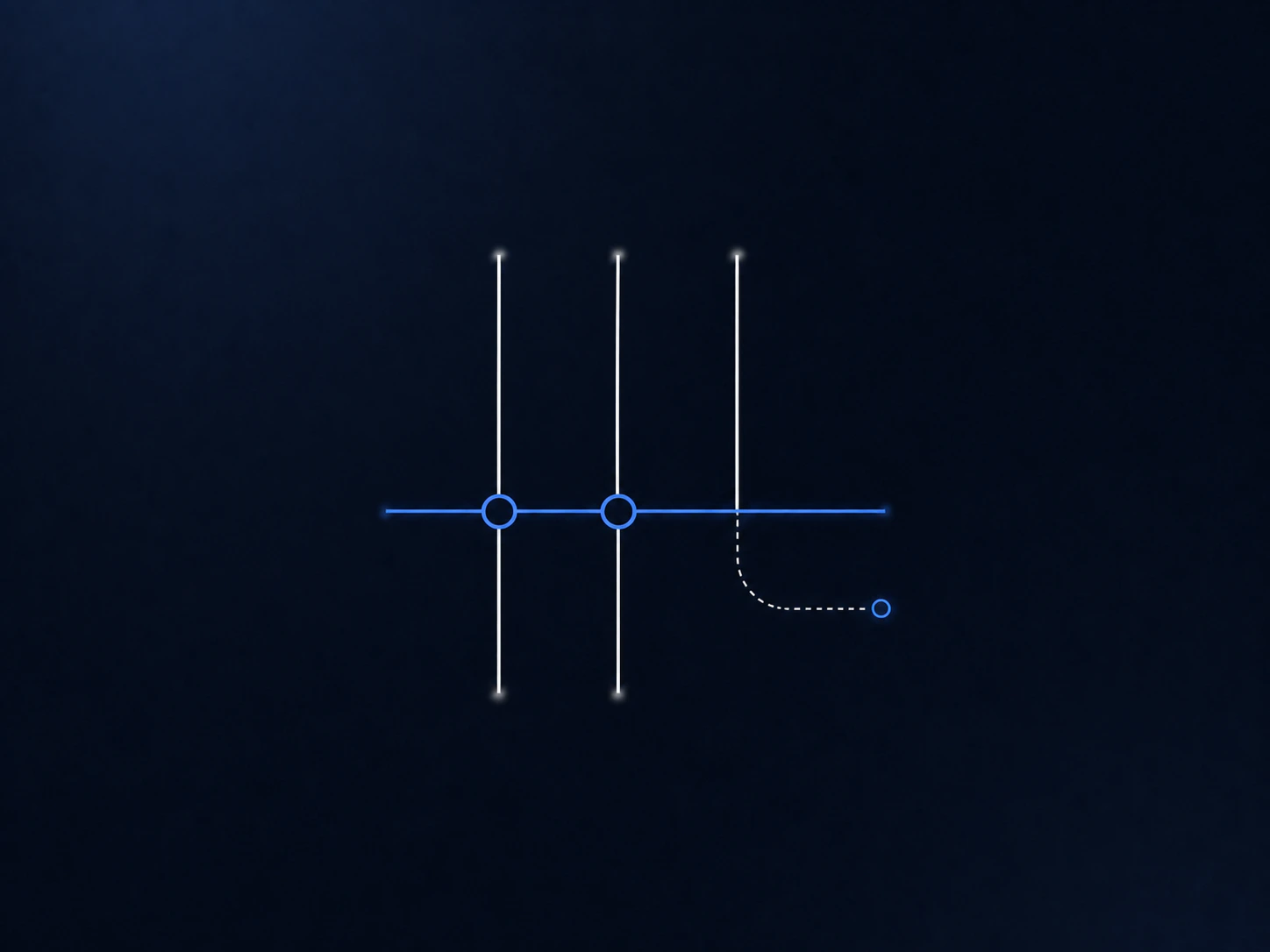
script-src-elem vs script-src-attr, which CSP directive controls what
script-src-elem covers script tags, script-src-attr covers inline handlers like onclick. How they split script-src, with a worked example and reports.
CentralCSP Team ·
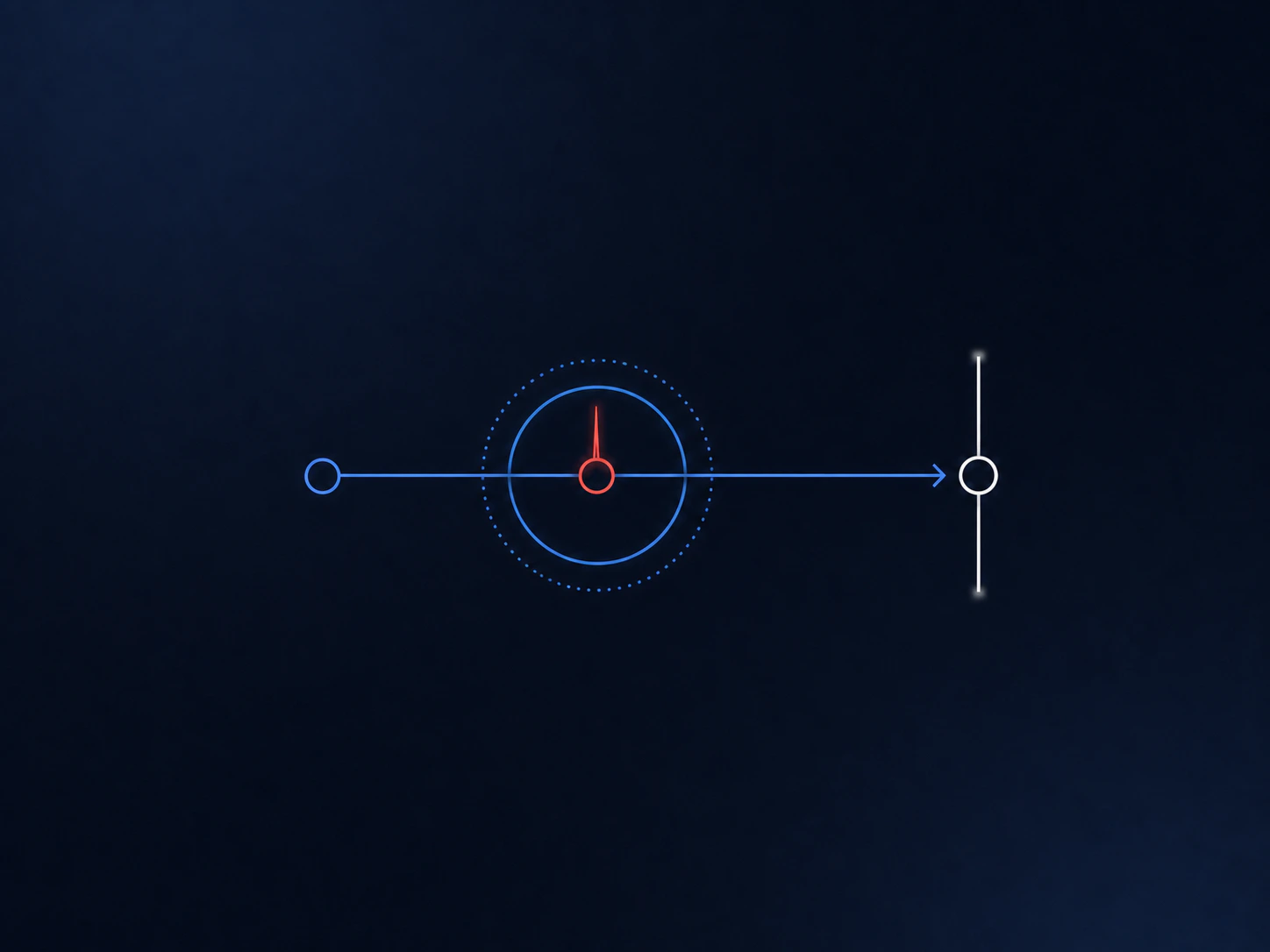
no-cache vs no-store, which Cache-Control directive keeps data private
no-cache stores but revalidates, no-store never stores. Which one sensitive pages need, browser vs shared caches, and the header to copy.
CentralCSP Team ·
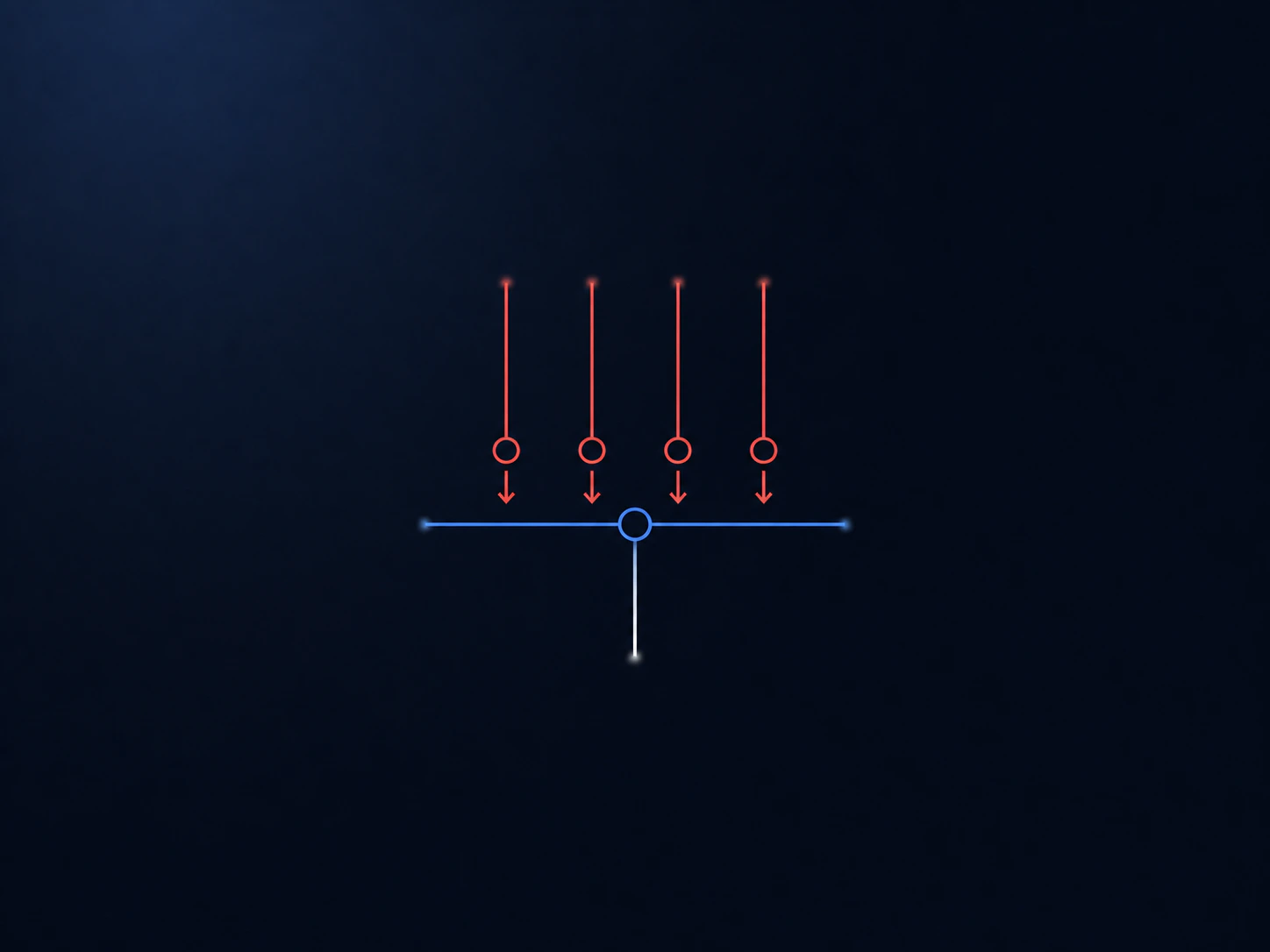
HSTS vs upgrade-insecure-requests, do you need both
HSTS forces HTTPS for your whole host, upgrade-insecure-requests fixes http:// links inside pages. Why you need both, preload, and the headers to send.
CentralCSP Team ·
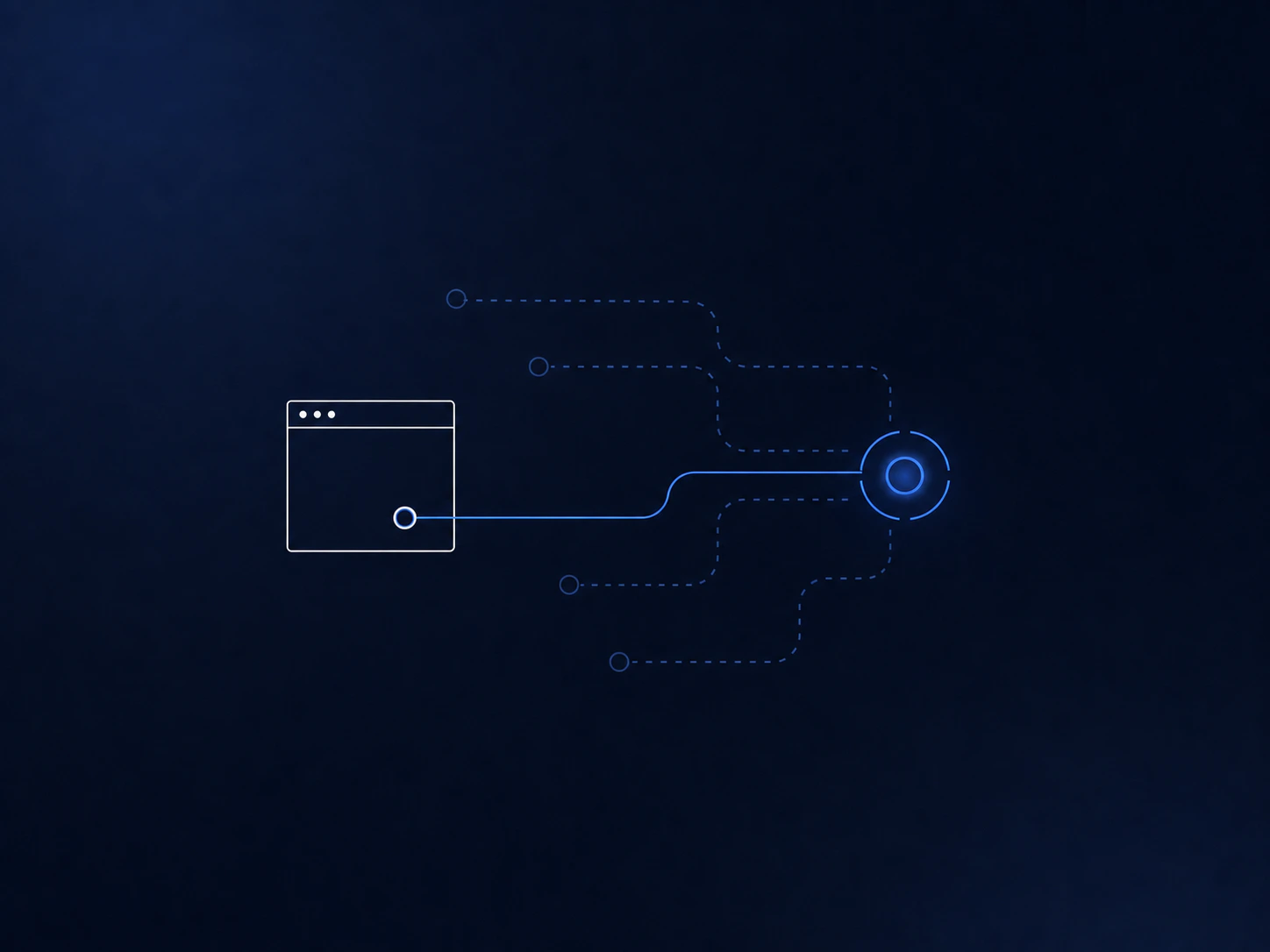
Where to send CSP reports: self-host a collector or use a service
What a CSP report collector has to handle (CORS, both report formats, dedup, extension noise, storage, alerts, privacy) and when to build or buy one.
CentralCSP Team ·
What unsafe-eval does in CSP and how to remove it
unsafe-eval re-enables eval, new Function, and string timers, which weakens your CSP against XSS. Here is where it sneaks in and how to drop it.
Théotime Quéré ·
Automatic SRI hashes with webpack and Vite
Hashing every chunk by hand is impractical. Let webpack and Vite generate SRI integrity attributes at build time, and watch the CDN scripts they cannot cover.
CentralCSP Team ·

SRI vs CSP hash, two hashes that do different jobs
SRI and CSP hashes look alike but verify different things. SRI checks an external file's bytes, a CSP hash allowlists inline code. Here is the difference.
CentralCSP Team ·
ReportingObserver, catch deprecations and CSP violations in JavaScript
ReportingObserver lets a page read its own deprecation, intervention, and CSP reports in JavaScript, no header needed. How to wire it into a front-end pipeline.
CentralCSP Team ·
Safe Permissions-Policy defaults, worked through on an online shop
Permissions-Policy turns off camera, microphone, geolocation and other browser features for your page and iframes. Syntax, a safe default, and reports.
CentralCSP Team ·
Magecart and formjacking: how to detect a skimmer
How Magecart skimmers reach a checkout, what British Airways, Ticketmaster and polyfill.io teach, and how CSP reports and a script inventory catch them.
CentralCSP Team ·
How to improve your security headers grade
A low security headers grade has a fix list. Set CSP, HSTS, X-Content-Type-Options, frame-ancestors, Referrer-Policy, and Permissions-Policy correctly.
CentralCSP Team ·
Google Tag Manager under a strict CSP in Next.js
Run Google Tag Manager in a Next.js App Router app under a strict nonce and strict-dynamic CSP. Per-request nonce, the GTM bootstrap, and where Google hosts go.
CentralCSP Team ·
How attackers abuse Google Tag Manager, and how a strict CSP contains it
Google Tag Manager exists to inject scripts, so a compromised container ships JS to every page. How a strict CSP, script inventory, and change alerting contain it.
CentralCSP Team ·
How to fix an Unsafe Implementation of Subresource Integrity finding
A security rating flagged an Unsafe Implementation of Subresource Integrity finding. The remediation workflow, find the scripts, hash them, roll out safely.
CentralCSP Team ·
How to fix SecurityScorecard CSP findings
Map each SecurityScorecard Content Security Policy finding to a concrete report-only to enforce fix, from a missing header to broad directives.
CentralCSP Team ·

CORP vs COEP, two sides of cross-origin isolation
Seeing 'This page needs cross-origin isolation' or SharedArrayBuffer errors? How COOP, COEP require-corp and CORP fit together, and the headers to send.
CentralCSP Team ·
Configure per-document features with Document-Policy
What the Document-Policy header does, the report-only variant, and how to get document-policy-violation reports through the Reporting API.
CentralCSP Team ·
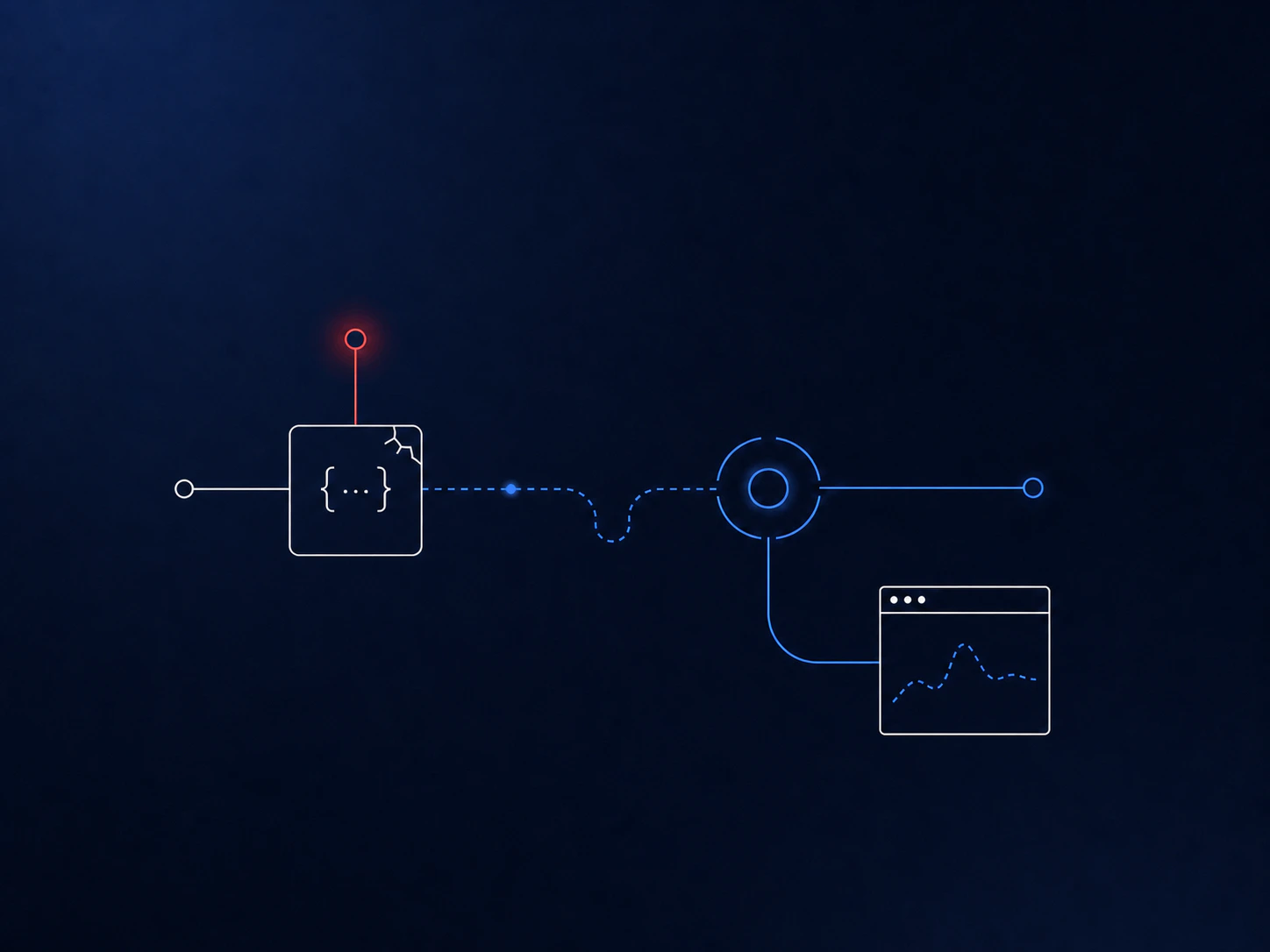
Deprecation and intervention reports, catch breaking browser changes early
Deprecation reports warn that an API is going away and intervention reports flag a browser override. How both arrive over the Reporting API and how to use them.
CentralCSP Team ·
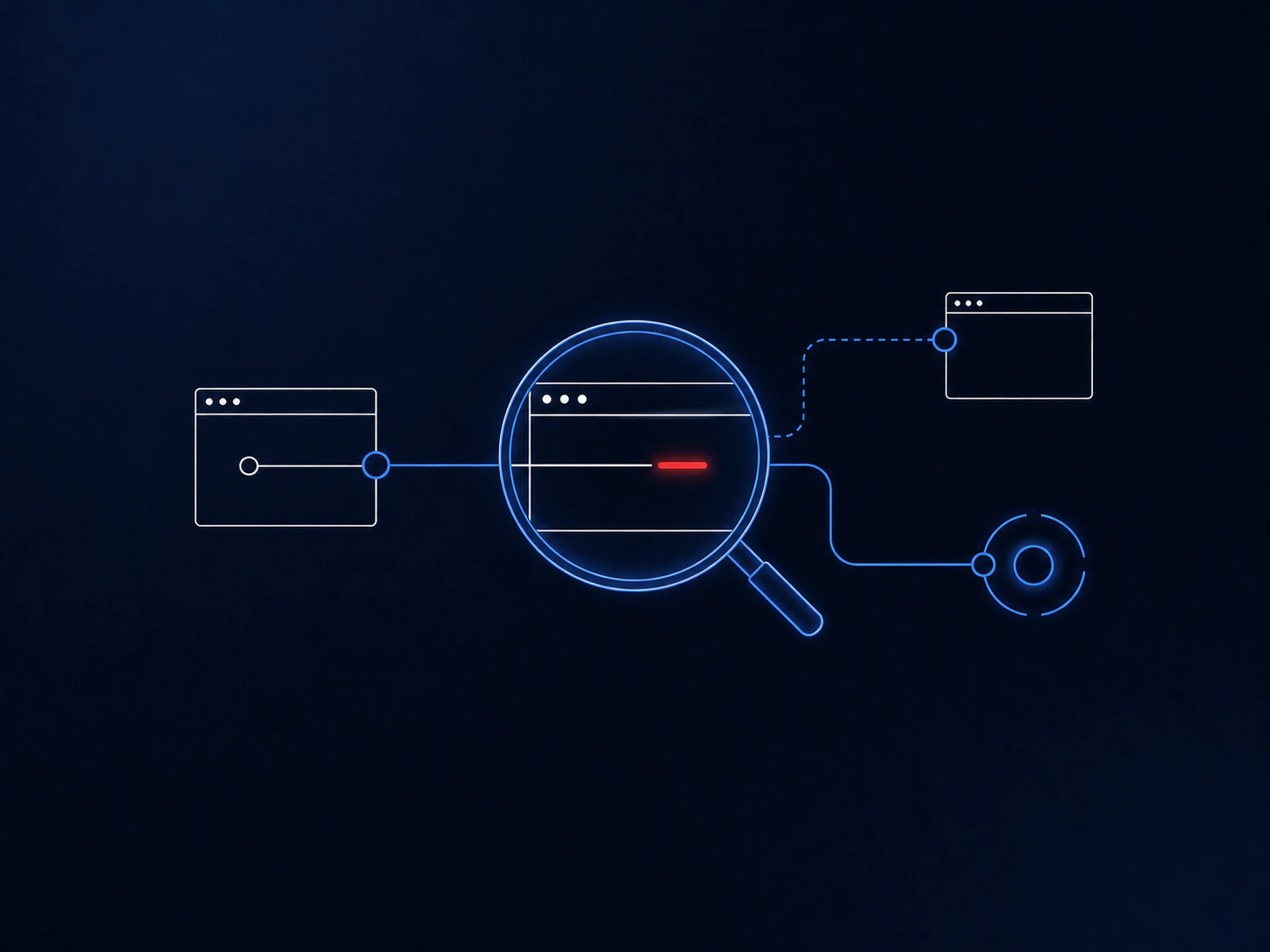
How to debug CSP violations in Chrome DevTools
Read the CSP violation message in the Chrome console, use the Issues panel, and map a violation back to the directive you need to fix.
CentralCSP Team ·

How to generate a CSP hash (sha256) for an inline script
A CSP hash allowlists one exact inline script by its content. Here is how to compute a sha256 hash, where it goes, and how it compares to a nonce.
CentralCSP Team ·
Connection Allowlists, a network egress sandbox in the browser
Connection Allowlists let a page list every destination it may reach, and Chrome 152 blocks the rest. How the header stops data exfiltration.
CentralCSP Team ·
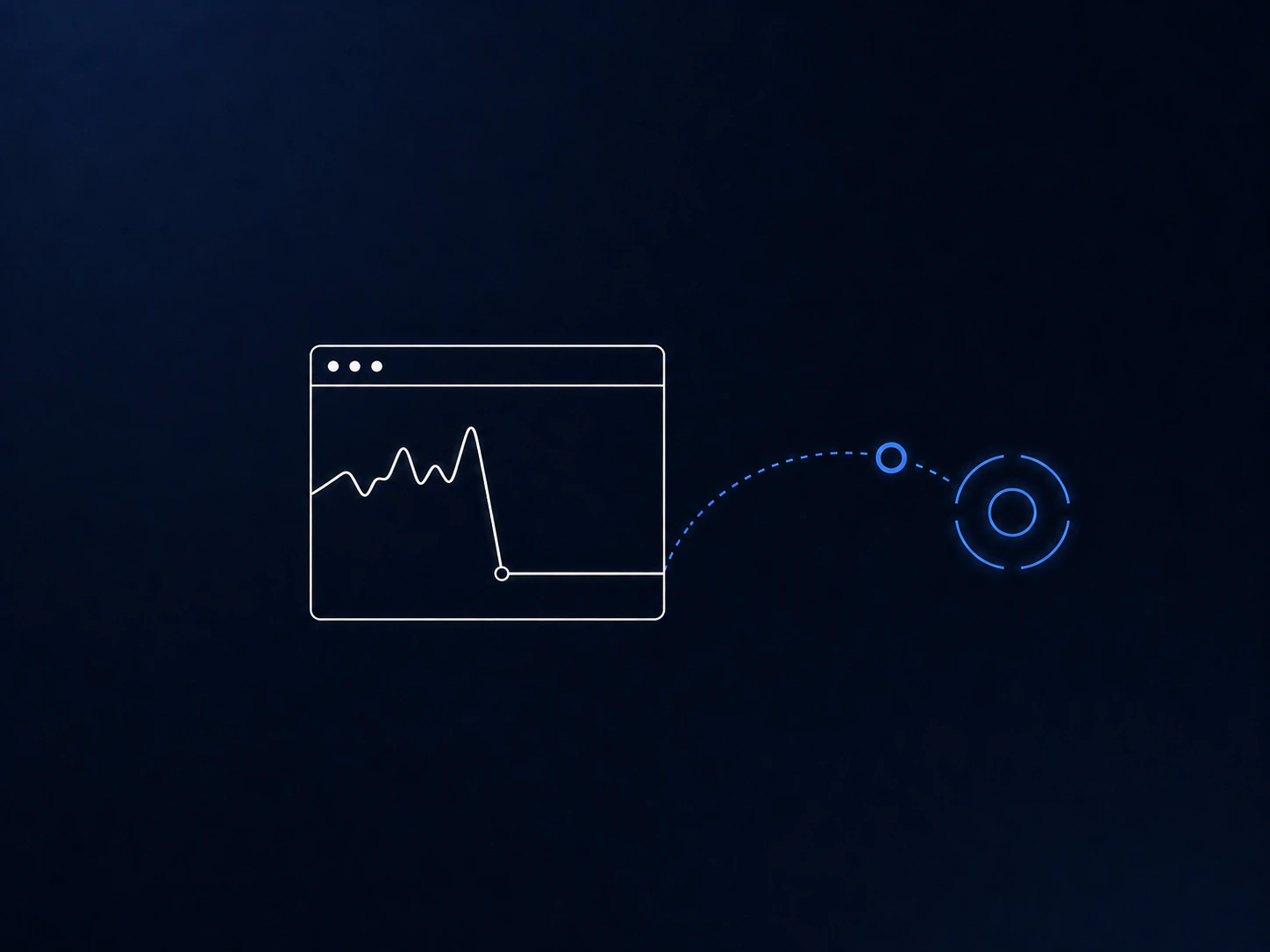
Browser crash and unresponsive reports, a client-side availability signal
Crash reports tell you when the tab running your page died or hung, sent by the browser from outside the dead tab. What they contain and how to read them.
CentralCSP Team ·
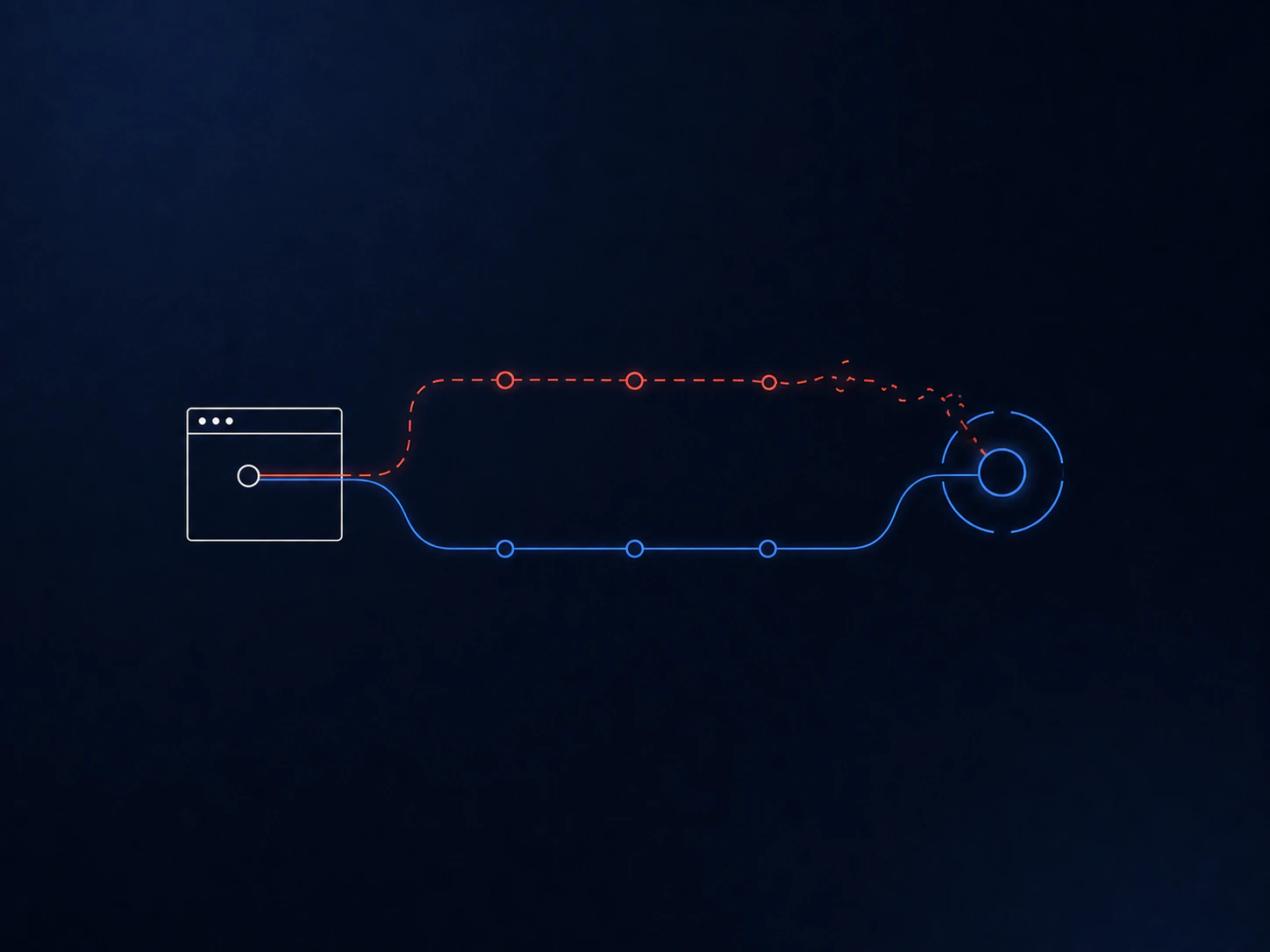
report-uri, report-to or Reporting-Endpoints: which to send in 2026
Two CSP directives and two reporting headers for one job. Which ones browsers support in 2026, the one case that still needs Report-To, and what to copy.
CentralCSP Team ·
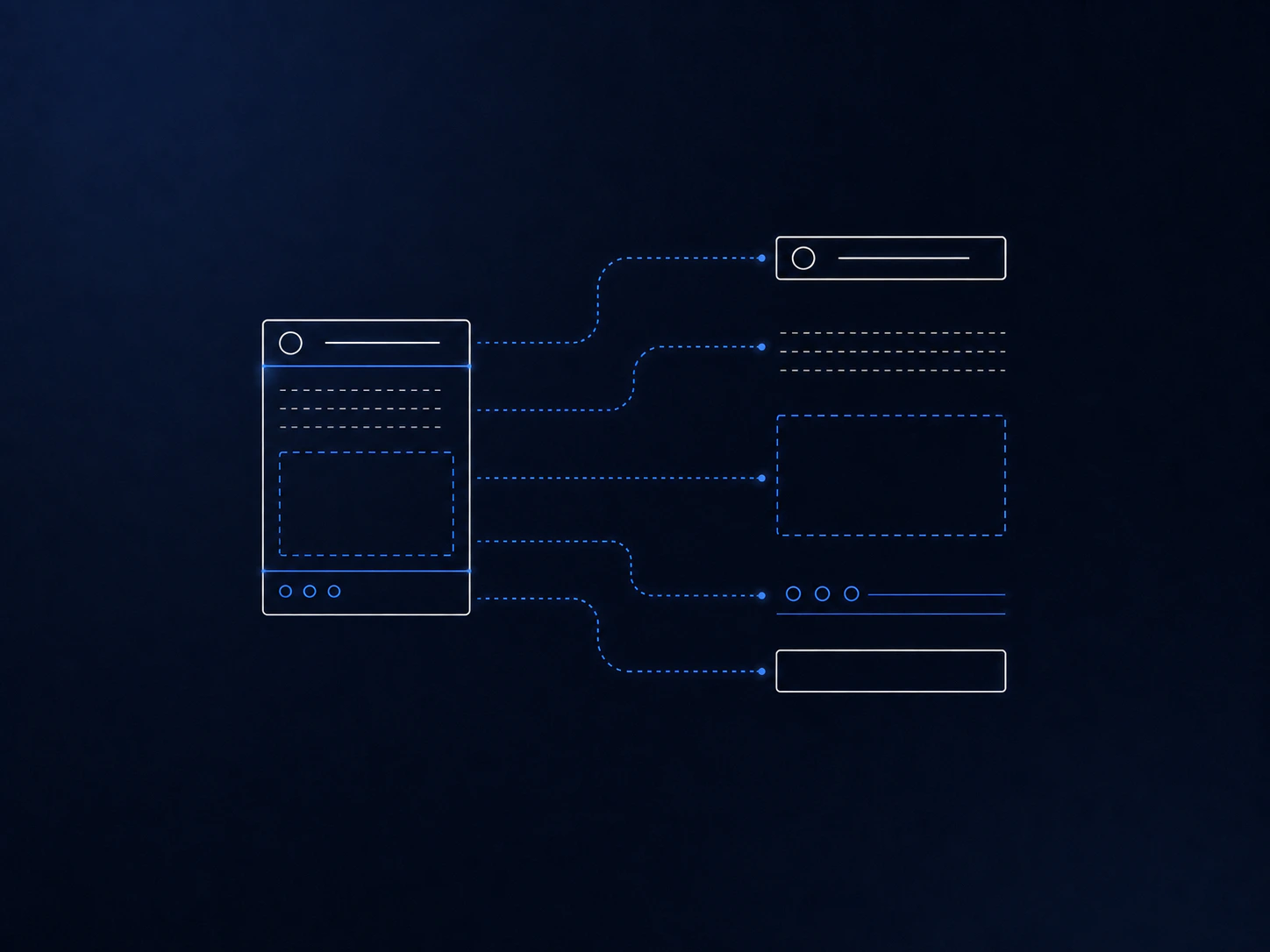
How to read a CSP violation report
What each field in a CSP violation report means, in both the modern Reporting API shape and the legacy report-uri shape, so you can read a live report.
CentralCSP Team ·
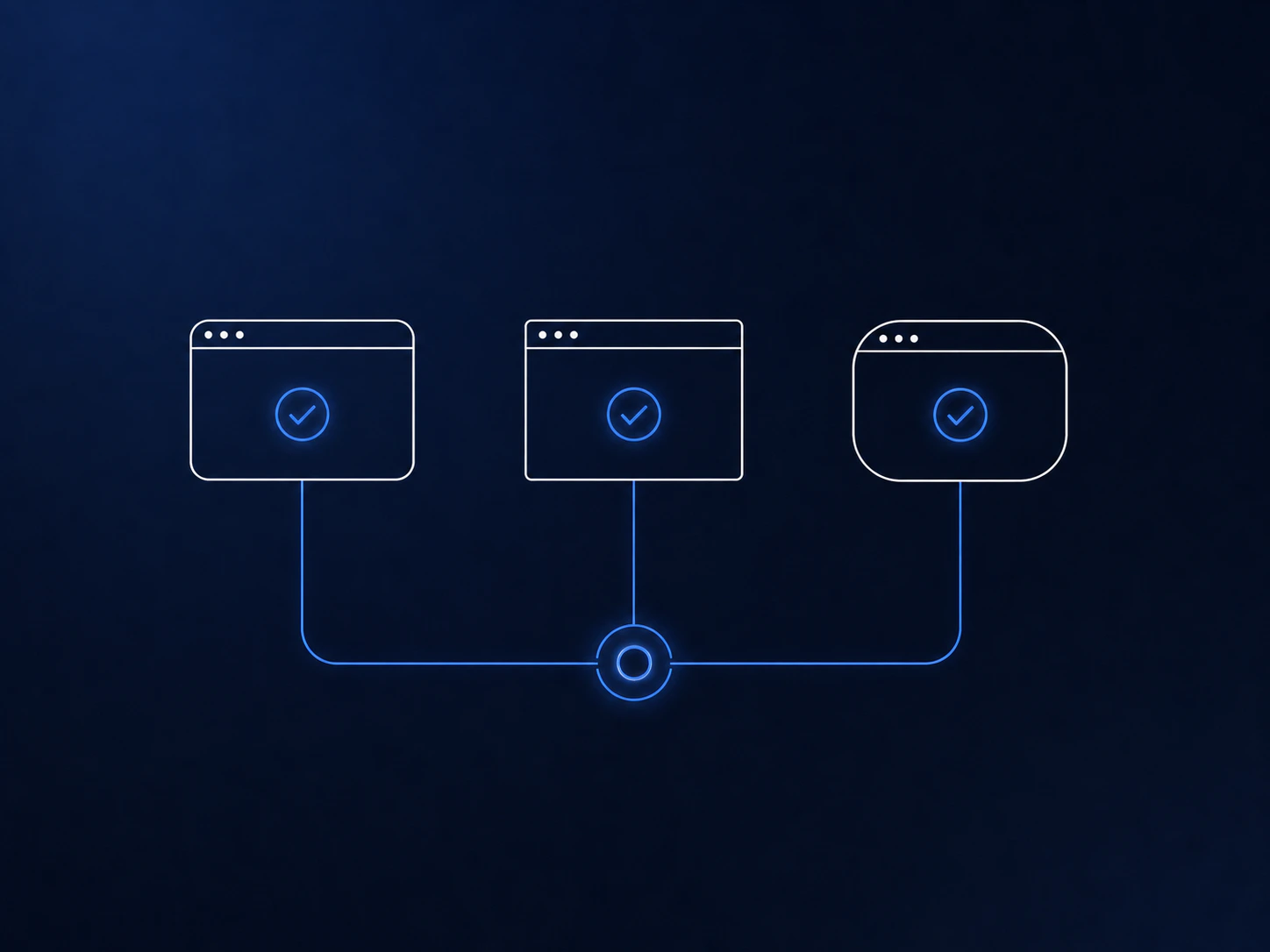
How to set the Content-Security-Policy header in every framework
Copy-paste ways to send the CSP header in nginx, Apache, Express, Django, Next.js, Nuxt, Laravel, and Angular, and how to verify it is actually sent.
CentralCSP Team ·
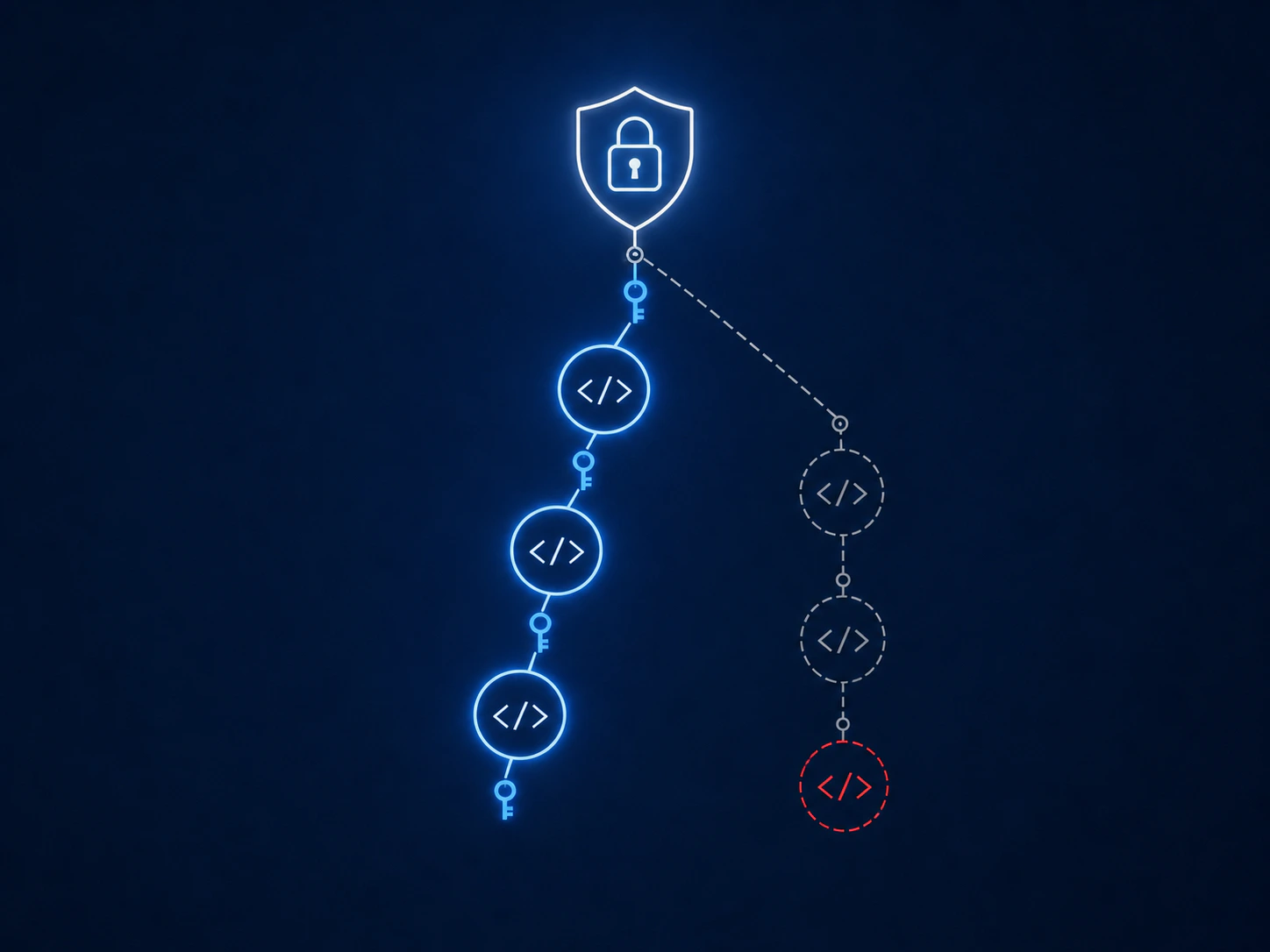
strict-dynamic explained, drop host allowlists for a strict CSP
What the strict-dynamic keyword does, how it works with a nonce or hash, and why it lets you stop maintaining long host allowlists in your CSP.
CentralCSP Team ·

What is NEL, network error logging from the browser
Network Error Logging reports DNS, TLS, connection, and HTTP failures from the browser, including ones that never reach your server.
CentralCSP Team ·
The 2026 header audit: which legacy security headers to remove
An audit of old security headers in 2026. Remove HPKP, Expect-CT and Feature-Policy, set X-XSS-Protection to 0, keep X-Frame-Options and HSTS.
CentralCSP Team ·
The CentralCSP Chrome extension
Author, debug, and roll out a Content Security Policy against real production pages from your browser, no deploy needed, with the free CentralCSP extension.
CentralCSP Team ·
Migrating to Trusted Types, from Report-Only to trusted-types-eval
Roll out Trusted Types with require-trusted-types-for and trusted-types, fix the sinks in Report-Only, and keep eval working with trusted-types-eval.
CentralCSP Team ·
How CSP report-sha keywords reveal every script that loads
How the Content Security Policy report-sha256, report-sha384, and report-sha512 keywords report script hashes so you can inventory what runs on your pages.
CentralCSP Team ·
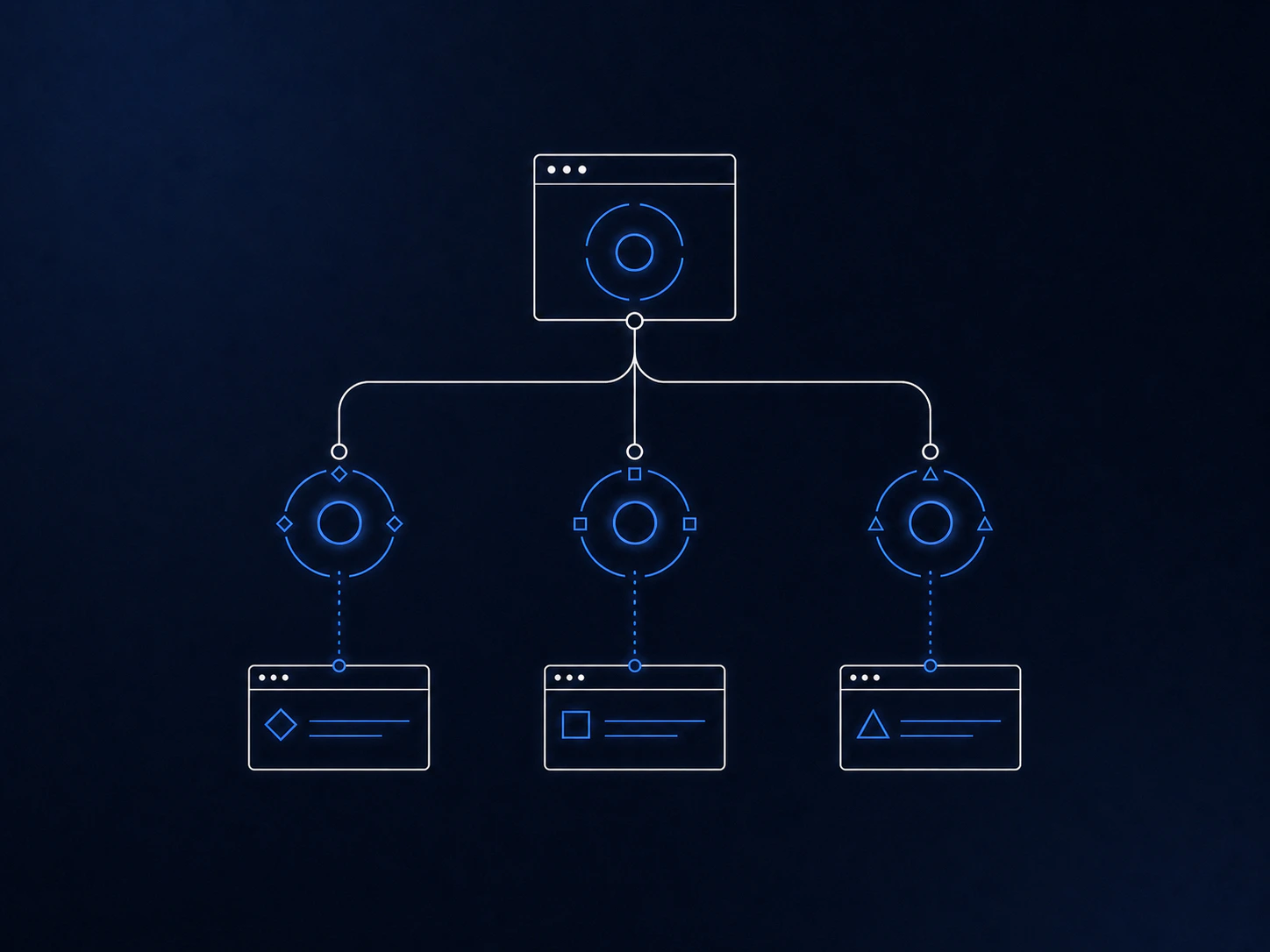
The Reporting-Endpoints header explained
How the Reporting-Endpoints HTTP header and the CSP report-to directive route browser reports, with syntax, the default endpoint, and the send-both pattern.
CentralCSP Team ·
The blob scheme in Content Security Policy
blob URLs need an explicit allowlist in CSP. self and the wildcard do not cover them, and allowing blob in script-src acts like unsafe-eval.
Théotime Quéré ·
The data scheme in Content Security Policy
Why data is fine in img-src and font-src but a real XSS vector in script-src, and how to allow it per directive without weakening your CSP.
CentralCSP Team ·
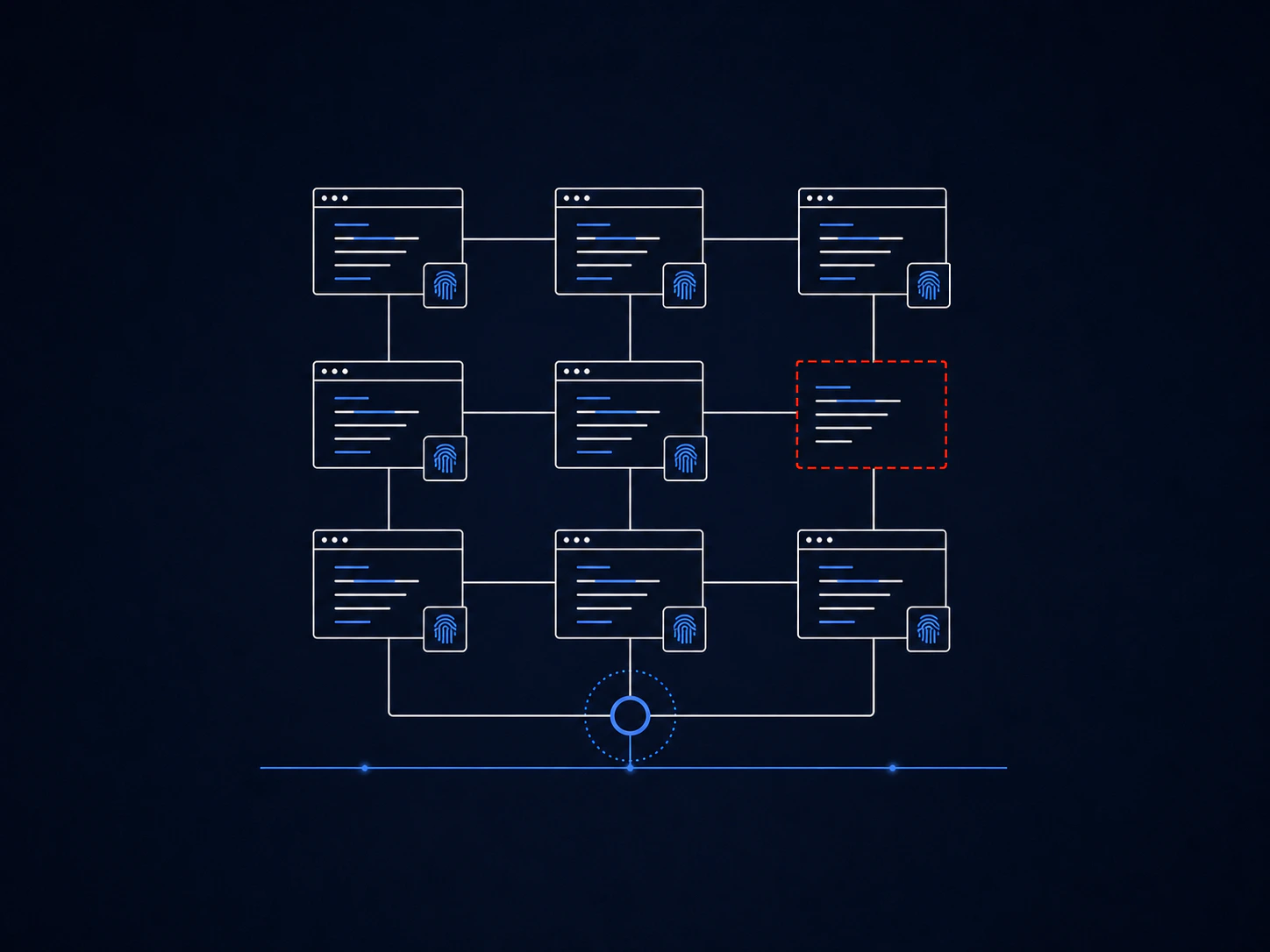
Build a script inventory with CSP hash reporting
Inventory every first and third-party script the browser runs with CSP hash reports: the headers, the report format, browser support and PCI DSS use.
CentralCSP Team ·
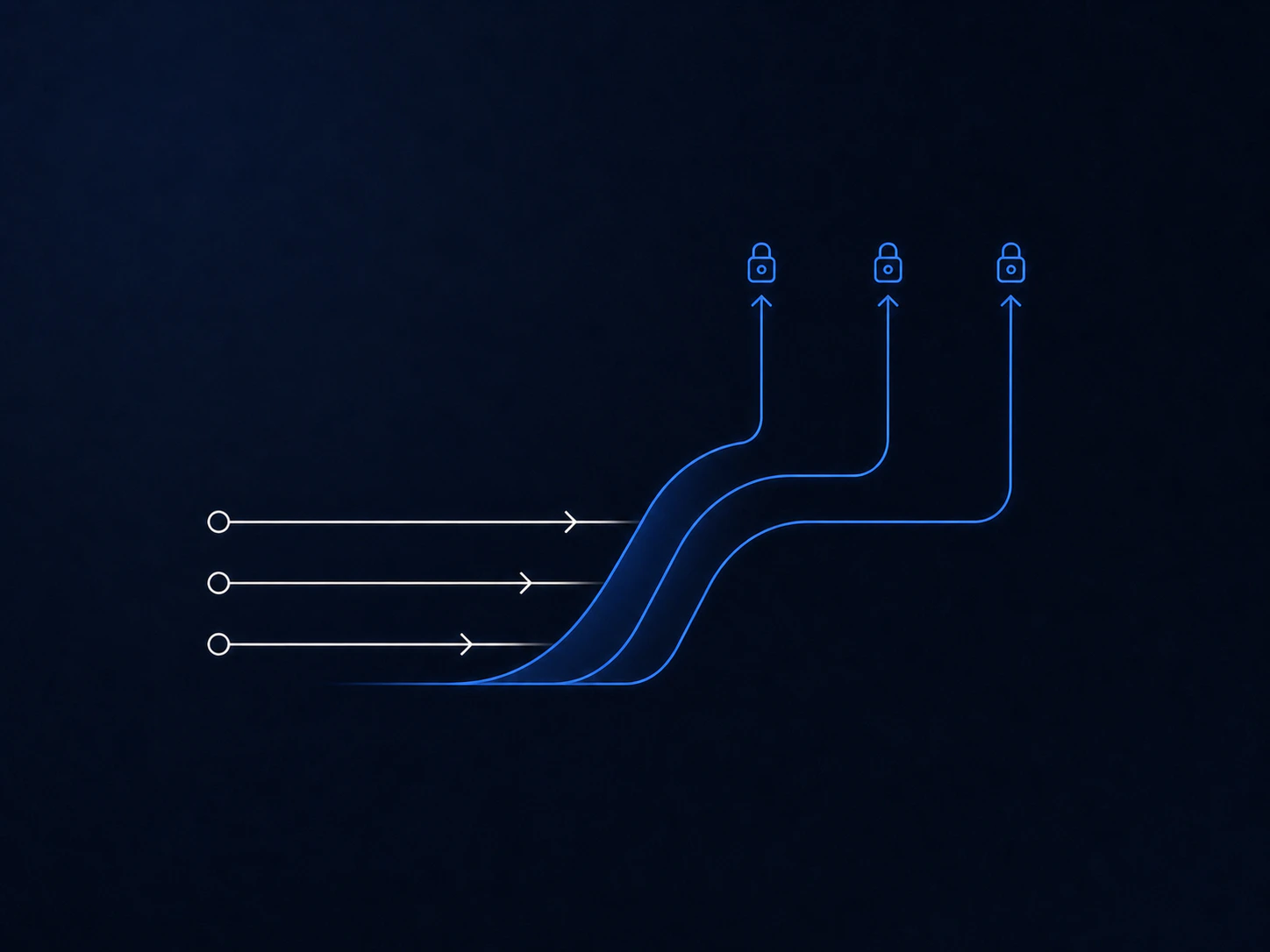
Why Subresource Integrity protects your CDN scripts
SRI makes the browser refuse a CDN script whose hash changed. The integrity attribute, crossorigin, hash mismatch errors, and a free SRI generator.
CentralCSP Team ·
How to build a strong CSP, step by step
Build a Content Security Policy step by step, from a starter template in Report-Only to real violation reports, a nonce, validation and enforcement.
Théotime Quéré ·
BitSight RAU25 and why CSP is now rated
BitSight RAU25 retired Web Application Headers for Web Application Security on July 10 2025. Here is how Content Security Policy is scored, and how to fix it.
CentralCSP Team ·
How to fix BitSight Content Security Policy findings
A practical report-only to enforce workflow to remediate BitSight CSP findings under the RAU25 Web Application Security rating.
CentralCSP Team ·
How JSONP endpoints bypass your CSP
A host allowlist that trusts a JSONP endpoint hands attackers arbitrary script execution. Here is how the bypass works and how to close it.
Théotime Quéré ·
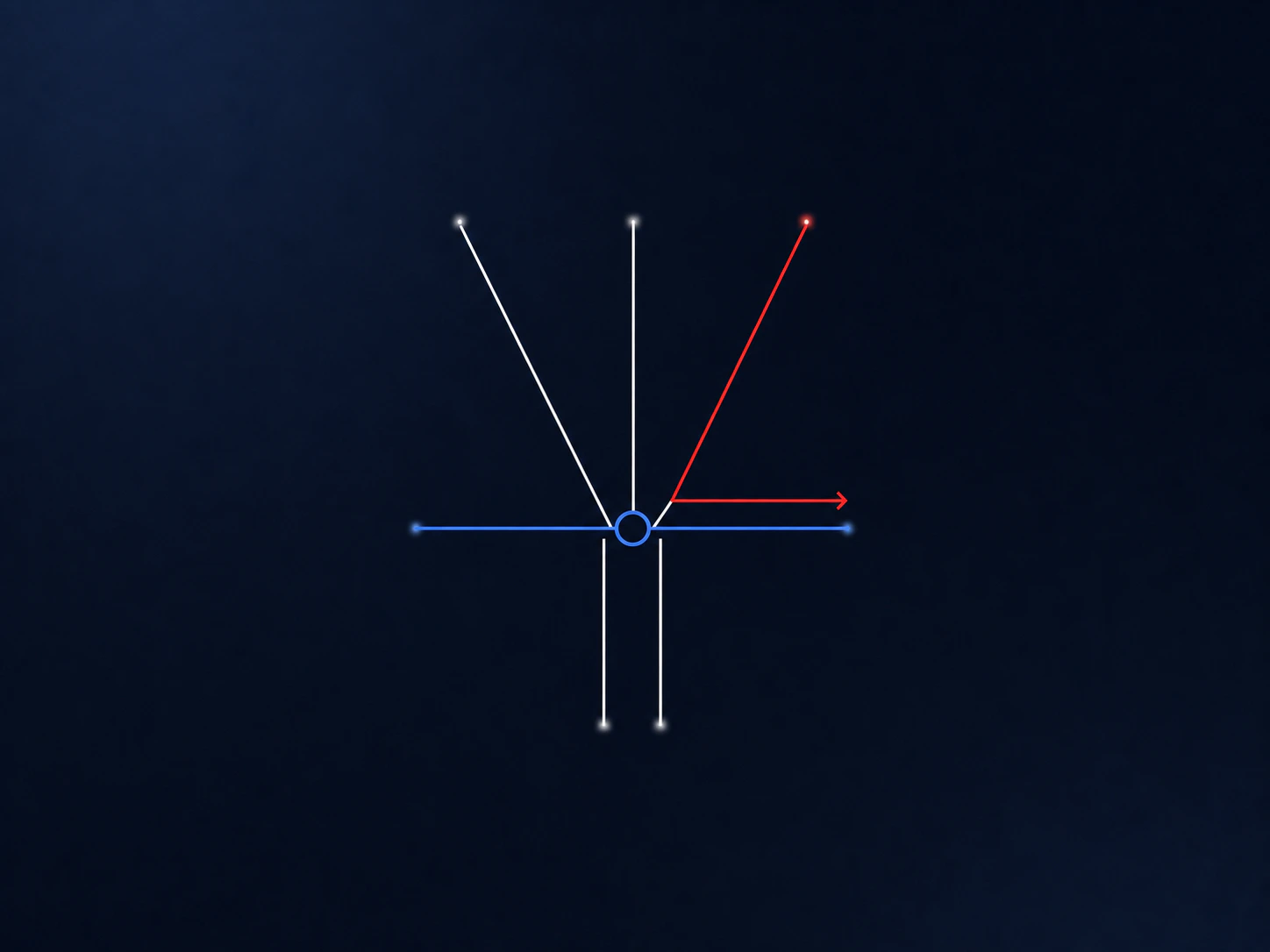
Why you should never use unsafe-inline in CSP
unsafe-inline re-enables the inline scripts CSP blocks by default, which defeats its XSS protection. Use nonces, hashes, or external files instead.
Théotime Quéré ·
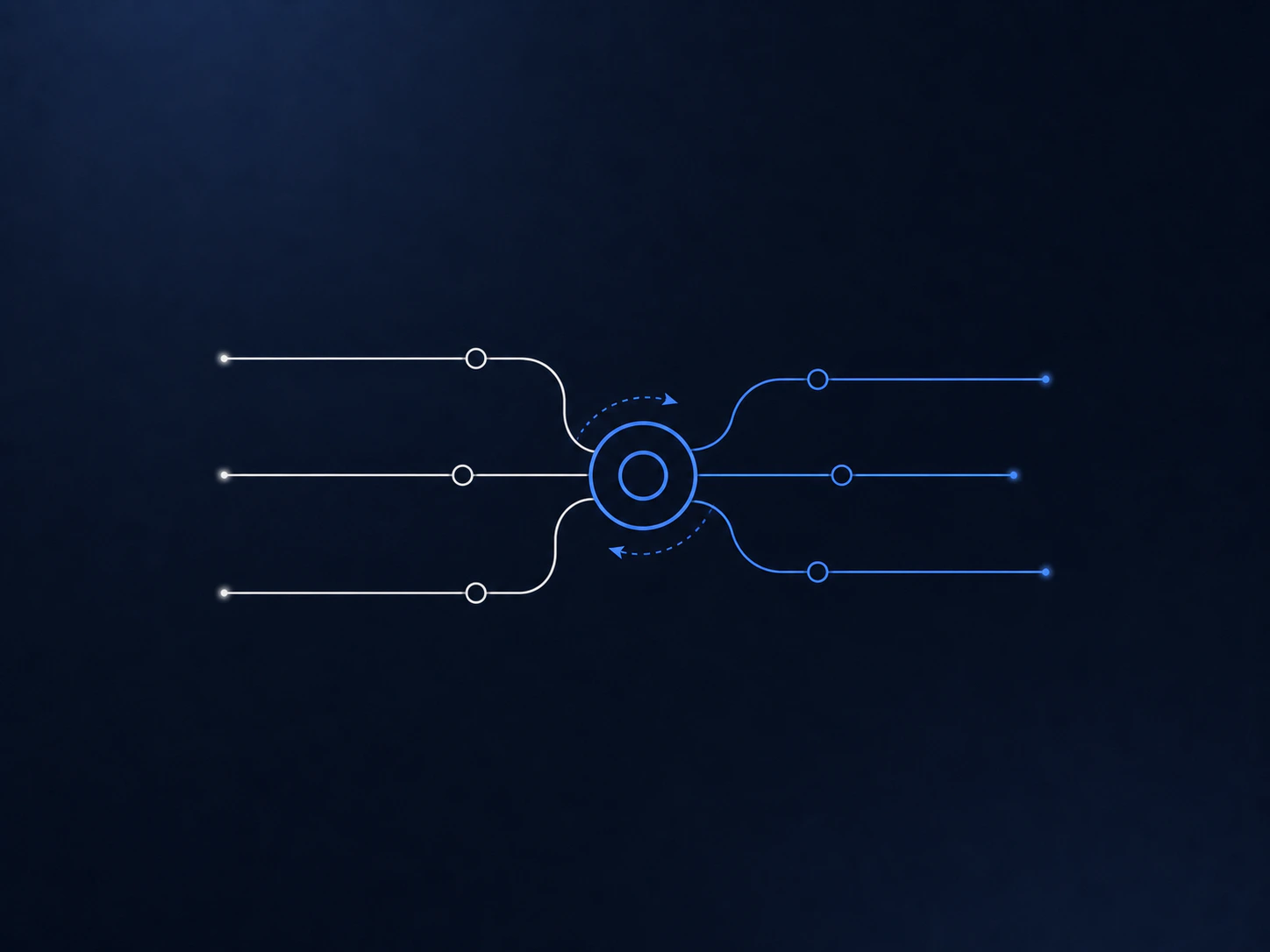
How to set up a CSP nonce in Next.js
Add a strict nonce-based Content Security Policy to Next.js: generate the nonce in proxy.ts, pass it to scripts, and fix the errors it causes.
CentralCSP Team ·
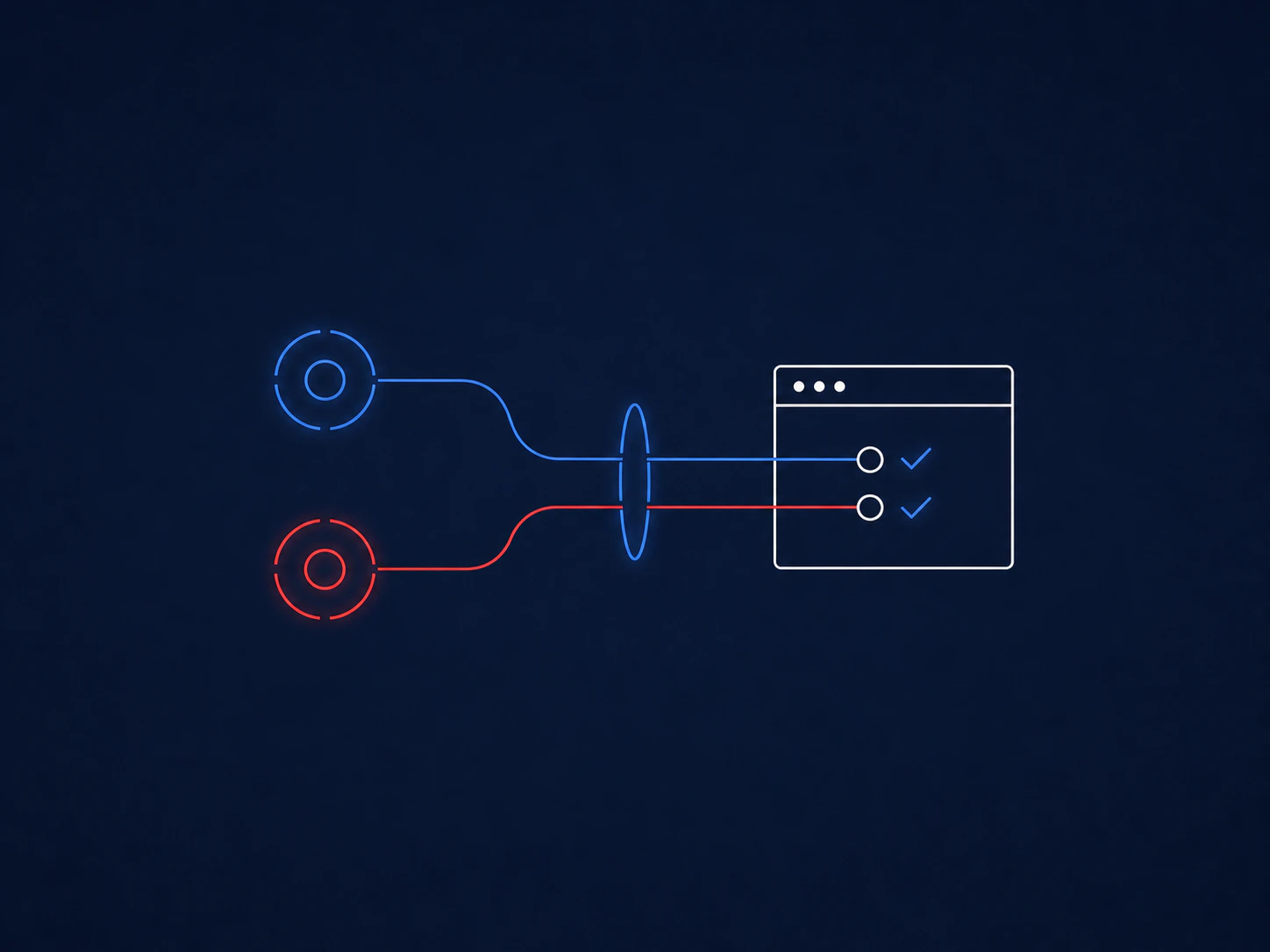
CSP for Google Analytics and Tag Manager with a nonce
Run GA4 and Google Tag Manager under a strict CSP with a nonce and strict-dynamic, plus the hosts Fonts, Maps, reCAPTCHA and YouTube need.
Théotime Quéré ·
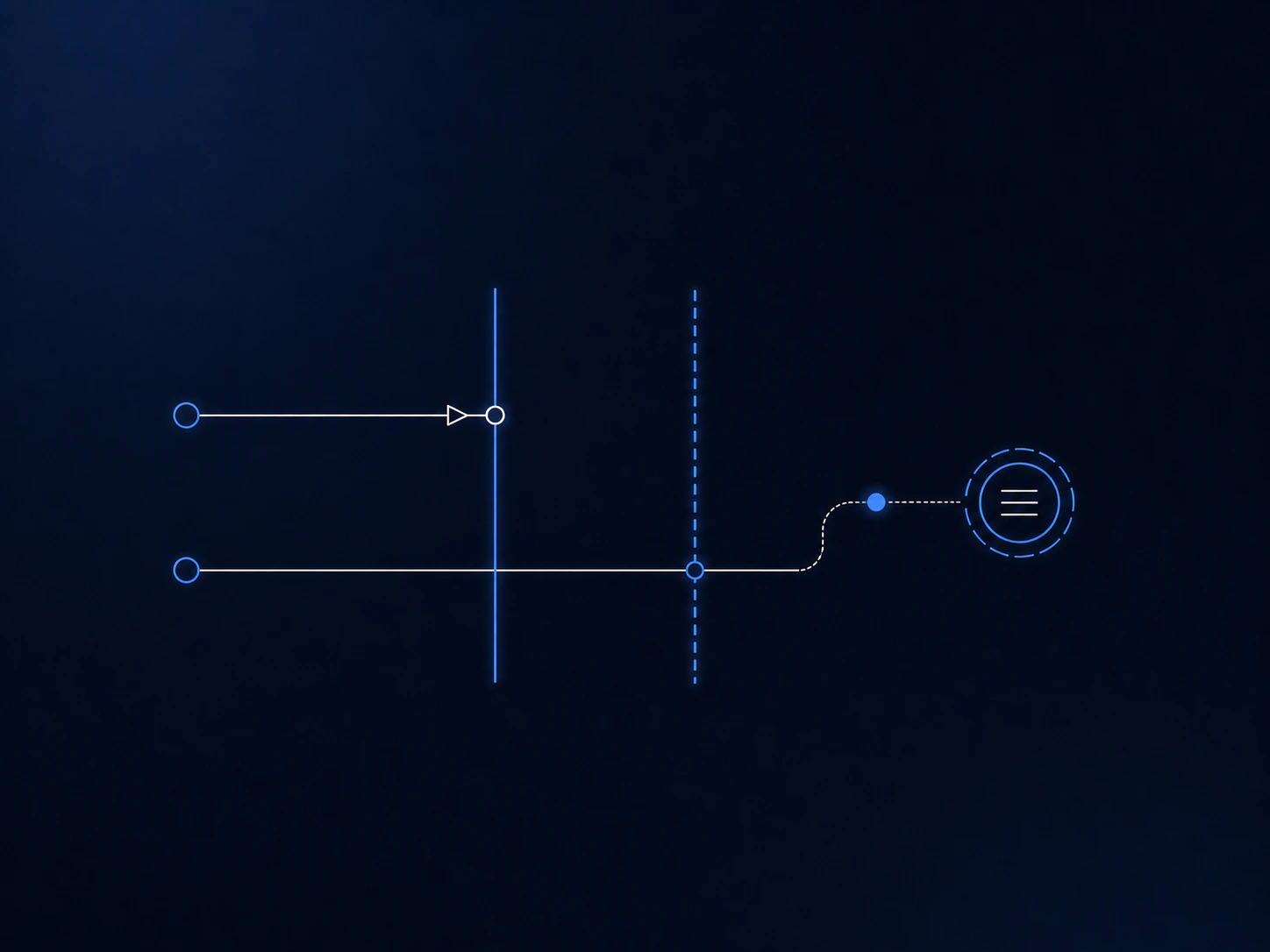
Moving a CSP from Report-Only to enforced
The rollout that takes a Content Security Policy from Report-Only to blocking without breaking pages: collect, triage, fix the causes, then enforce.
CentralCSP Team ·

Multiple CSP policies on one page
How a browser combines multiple Content Security Policy headers, meta, and Report-Only on a single document, and why extra policies only ever restrict.
CentralCSP Team ·
CSP meta tag vs HTTP header
Deliver your Content Security Policy in an HTTP header, not a meta tag. Headers apply earlier and support every directive and report-only.
Théotime Quéré ·